
Zlín, May 6, 2026 – The prestigious international Best in Design competition, part of the Zlin Design Week festival, has announced its winners. A jury composed of experts from around the world selected winners from more than 600 submitted projects across four categories: Product & Industrial Design, Communication Design, Fashion Design, and Service Design. The overall winner was Polish designer Oliwia Śnieg with her project focused on the early detection of oil pollution in water. The awards ceremony took place on May 9 at the Zlín Congress Center and was open to the public.
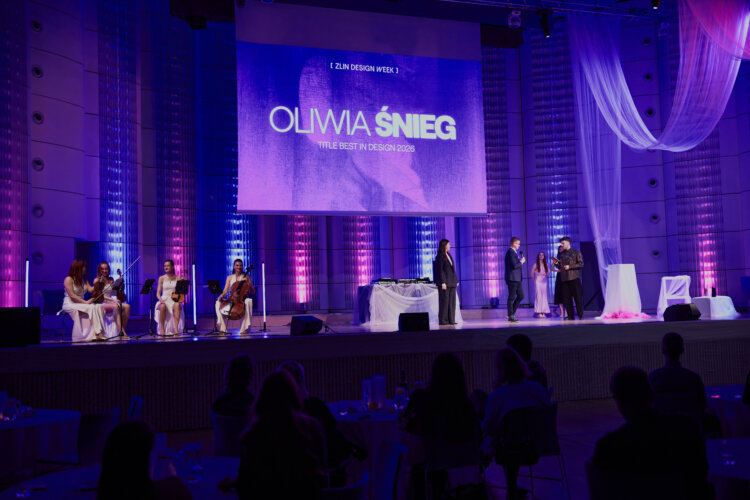
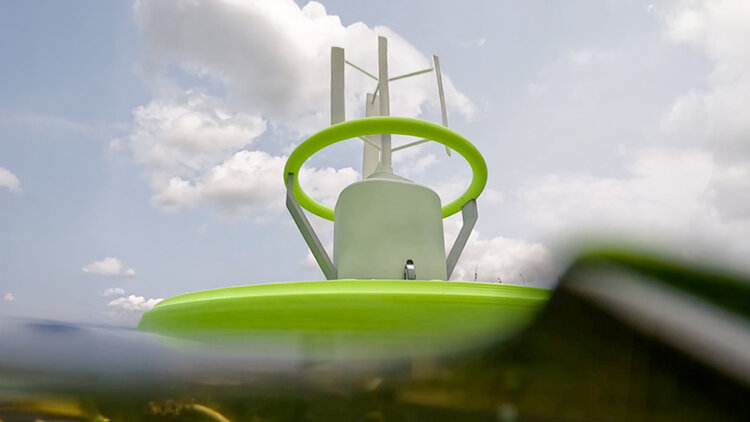
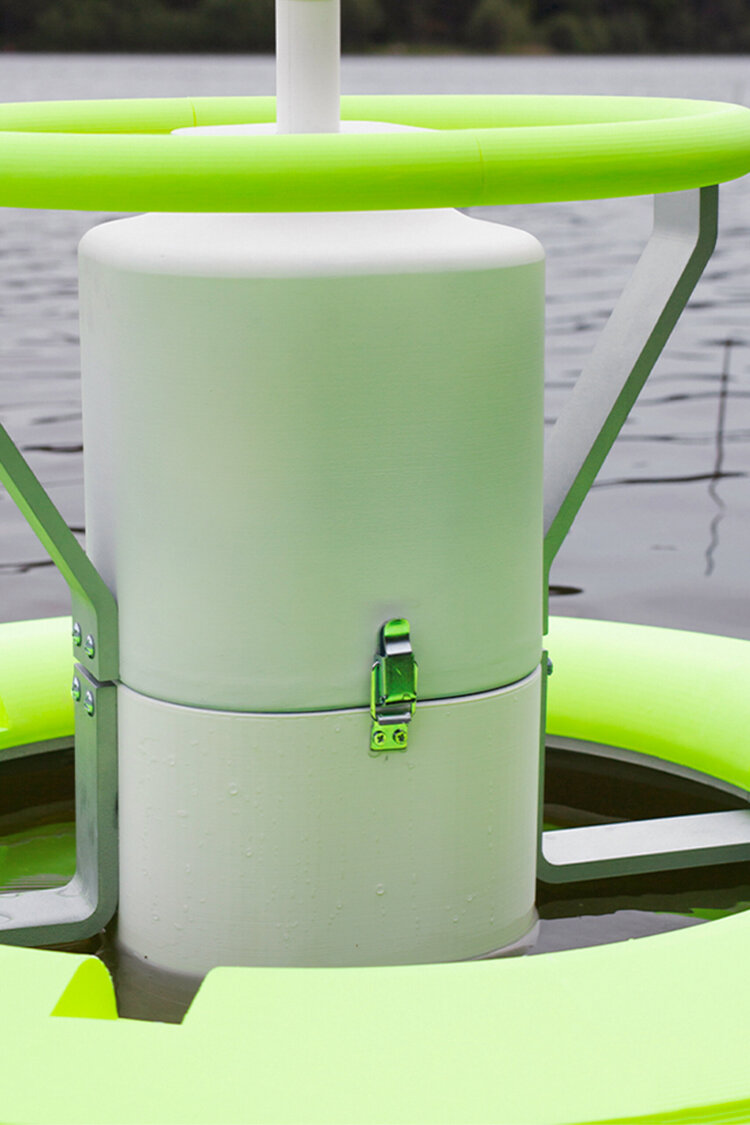
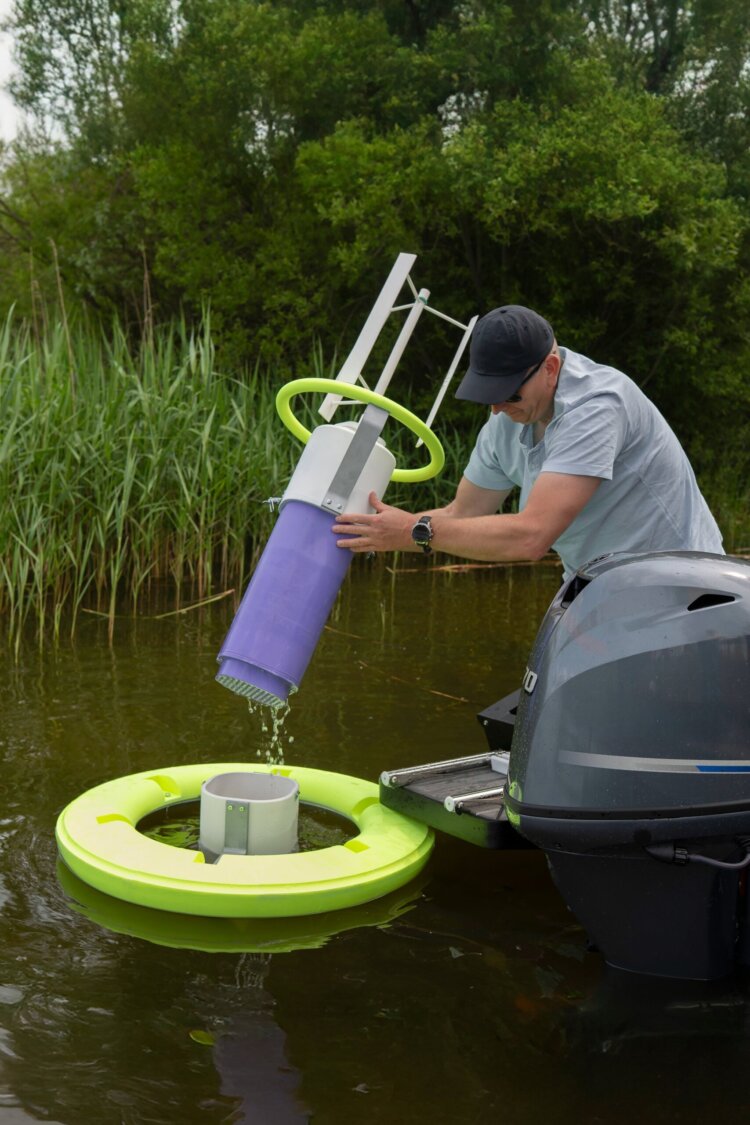
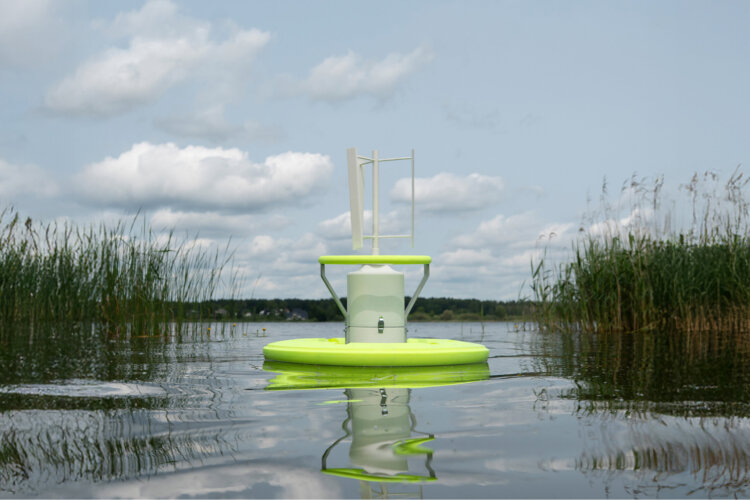
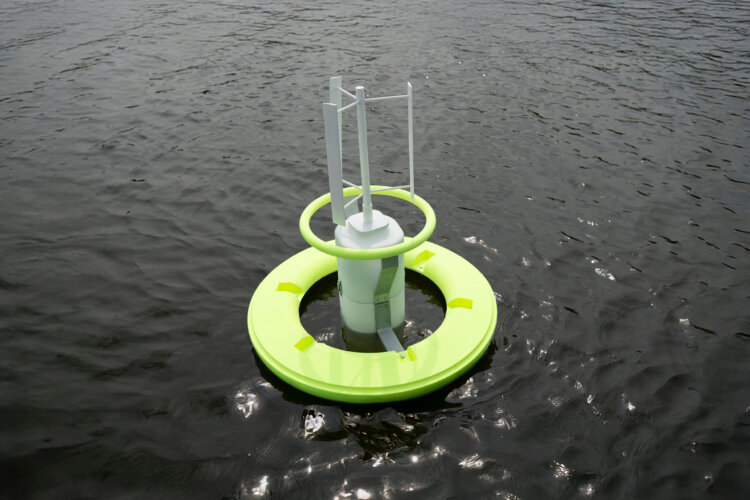
The top prize went to the creator of the project FLOW – Early detection of oil pollution in surface waters, which also won in the Product & Industrial Design category. Her system uses advanced sensors to monitor water quality in real time, enabling a rapid response to environmental accidents and minimizing their impact. Oliwia Śnieg took home not only the Best in Design 2026 title but also a cash prize of €1,500 (€1,000 for the overall victory and €500 for first place in the category) .
“Best in Design is raising the bar year after year, and this year’s participation of more than 600 projects from various countries only confirms this. It is not just a competition, but a space where creativity meets the real-world problems of today. The record number of entries shows that young designers want to create work that is meaningful and has a broader impact.” “This is clear proof to us that the new generation of designers is eager to actively change the world around them,” said competition director Šárka Doležalová.
The top spots in the other categories went to Adele Hamsund (Fashion Design), Anna Lukášová (Communication Design), and Diksha Ashok (Service Design).
Product & Industrial Design Category
Jury: Anna Marešová, Agnieszka Bujas, Marek Kuźmiński
In the Product & Industrial Design category, the top spot went to the aforementioned Oliwia Śnieg with her project FLOW – Early detection of oil pollution in surface waters. Marie-Magdaléna Kvěch Jiřenová shone in second place with her project “Vita Meal Service for Seniors.” This meal service, designed specifically for the needs of seniors, emphasizes ergonomics and ease of use, thereby restoring a sense of independence and dignity to users during daily meals.
Third place in the category went to a Hungarian team of designers—Balazs Kisgyorgy, Rebeka Csiby-Gindele, Zsófia Zala, Blanka Timari, Eszter Hanko, Roberta Wende, Laura Schillinger, Viktoria Dawson-Vadasz, and Flora Lukovics—with their project Fragments. The project focuses on the experimental exploration of material recycling and deconstruction. In it, the designers demonstrate how industrial waste can be transformed into new aesthetic and functional forms, thereby opening a discussion about the circular economy in modern manufacturing.
Fashion Design Category
Jury: Milan Florián Flíček, Daria Dembicka, Zuzana Vrábeľová
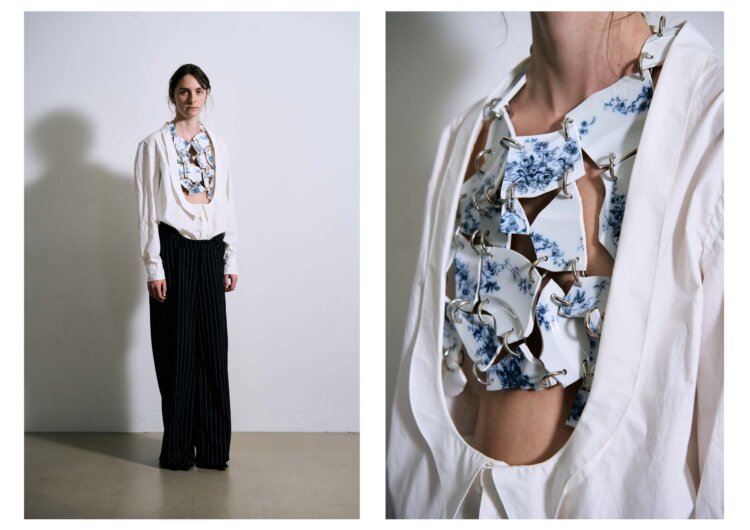
This year’s Fashion Design category was won by Adele Hamsund from Norway with her collection *Aging Gracefully*. The project is a fascinating study of the aging process and the natural transformation of materials over time, celebrating wear and tear as a new aesthetic value.
Second place went to Silvia Berecká from Slovakia for her project Spore-gasm. Her work draws inspiration from the fascinating world of fungi and organic growth structures. In her collection, Silvia pushes the boundaries of textile design toward biomimicry, creating visually striking objects that explore the relationship between the human body and nature.
The bronze medal in the fashion section goes to Tilen Gorenjak from Slovenia for his project Ms Crawford Goes Fishing. Tilen focused on narrative design and playfulness, creating a unique visual story built on precise craftsmanship and innovative cut solutions that impressed the jury with their boldness and authenticity.
Communication Design Category
Jury: Dan Zucco, Dalibor Itze, Kamila Štěpničková
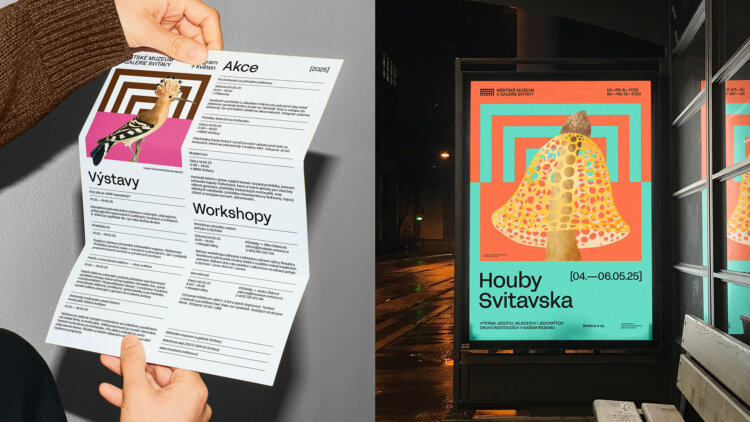
In the Communication Design category, Anna Lukášová won with her project Visual Identity of the Svitavy City Museum and Gallery. Her comprehensive visual system dynamically connects local history with modern trends and effectively simplifies visitor navigation within the institution’s space.
Second place went to the trio of Aneta Beranová, Dayana Kaska, and Jan Kaska for the Visual Identity of the Endo•Mento project. This project addresses the sensitive topic of raising awareness about endometriosis. The creators have developed a visual language that is accessible, empathetic, and powerful enough to help break down social taboos surrounding women’s health.
Third place went to Huda Narmouq and Maryam Grich for their concept Mind Map – Experiencing Dyslexia Through Visual Communication. The project focuses on visualizing the thought processes of people with dyslexia and transforming abstract information into comprehensible graphic structures. The jury particularly highlighted the analytical approach to design and its ability to facilitate the cognitive perception of complex topics.
Service Design Category
Jury: Matěj Káninský, Janka Csernák, Karolína Menclerová
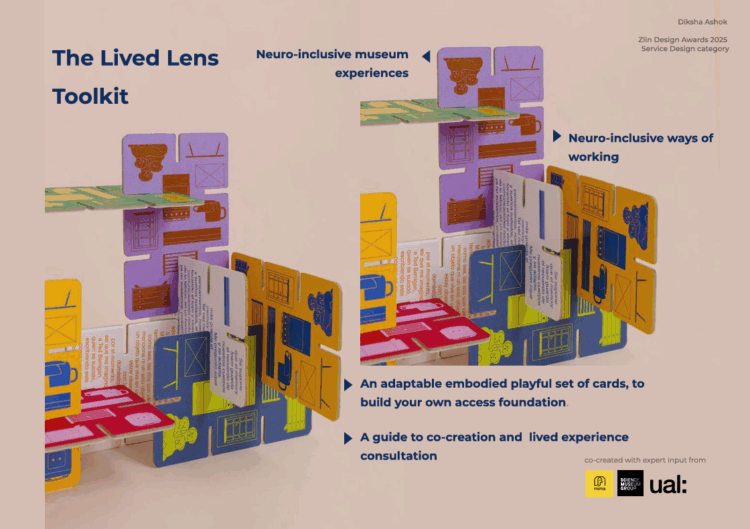
Diksha Ashok triumphed in the Service Design category with her project The Lived Lens Toolkit. This methodological tool is designed to help designers and researchers immerse themselves in authentic user experiences. The toolkit emphasizes empathy and a deep understanding of human needs as the cornerstone of every successful service.
Second place in Service Design went to the team of Alisa Mahat, Diksha Ashok, Karina Lang, Maria Luisa, and Noora Yasmin with their platform The Red Connect Portal. The project connects menstrual health and education in developing regions through a digital portal and community centers.
Third place in this category went to the team consisting of Afreen, Jeongeun Yoo, Kate Masters, Eugenia Camargo Hoyos, and Mariam Almuheiri with the project You Belong Here: A project addressing the crisis of absenteeism in UK schools. This service focuses on building an inclusive environment and fostering a sense of belonging within diverse communities. The creators presented a well-thought-out user journey that effectively uses design to address issues of social isolation.
Media Award & Special Prize
In addition to the main categories, other awards were also presented. The Media Award, established in 2022 and decided upon by editors of leading design media outlets, was awarded this year to Barbora Bezděková. This year’s jury consisted of Veronika Pařízková from EARCH, Michaela Banzetová, author of books on the art world, and Jan Kudláček from NEXUSMAG magazine. The Special Prize from the Martin and Martina Růžička Foundation, meanwhile, went to the winner of the Communication Design category, Anna Lukášová.
Refresher Art Award
This year’s Refresher Art Award goes to Silvia Berecká. Her project stood out for its striking visual execution and strong concept straddling the line between design and art. Refresher magazine will support her work with media coverage in the form of an article, an Instagram carousel, and an art sculpture by Klimchi.
Finalists’ Contacts:
- Oliwia Śnieg: oliwia.snieg97@gmail.com
- Marie-Magdaléna Kvěch Jiřenová: m.m.jirenova@gmail.com
- Balazs Kisgyorgy, Rebeka Csiby-Gindele, Zsófia Zala, BlankaTimari, Eszter Hanko, Roberta Wende, Laura Schillinger, Viktoria Dawson-Vadasz, Flora Lukovics: wearemaiii.co@gmail.com
- Adele Hamsund: adele140801@gmail.com
- Silvia Berecká: bereckasilvia@gmail.com
- Tilen Gorenjak: tilengorenjak@gmail.com
- Anna Lukášová: annalukasova99@gmail.com
- Aneta Beranová, Dayana Kaska, Jan Kaska: dayanagrigoryan@seznam.cz
- Huda Narmouq, Maryem Grich: desha.narmouq22@gmail.com
- Diksha Ashok: diksha.ashok7@gmail.com
- Alisa Mahat, Diksha Ashok, Karina Lang, Maria Luisa, Noora Yasmin: diksha.ashok7@gmail.com
- Afreen, Jeongeun Yoo, Kate Masters: 10066035@network.rca.ac.uk
- Barbora Bezděková: barbora.bezdek@gmail.com